
The High Cost of Sending SMS to Nowhere
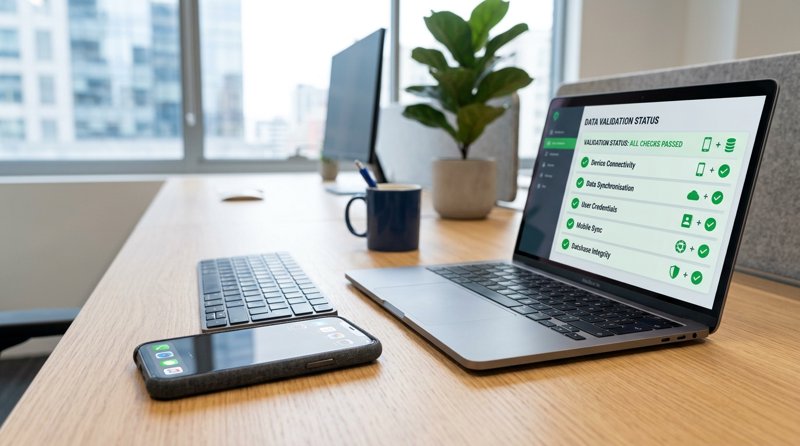
When a small business owner in the United States sends an appointment reminder or a shipping notification, they expect it to land in the customer's pocket instantly. However, if your database is cluttered with landlines, disconnected numbers, or non-mobile VoIP lines, your carrier reputation suffers. Using a textmagic phone validator is one of the most effective ways to ensure your contact list is actually reachable before you even hit send. For a local dental clinic in Ohio or a repair shop in Texas, every failed text is a missed opportunity. Integrating a textmagic phone validator into your workflow allows you to verify the status of a mobile number in real-time. This is particularly crucial when moving away from traditional metered providers toward more flexible, SIM-based solutions that rely on your own hardware.
In the American market, the landscape of business texting has changed dramatically. Carriers like AT&T, Verizon, and T-Mobile have implemented strict rules under the A2P 10DLC (Application-to-Person 10-Digit Long Code) framework. These regulations are designed to protect consumers from spam, but they also mean that businesses with high failure rates or 'dirty' lists are quickly flagged. When you send messages to numbers that cannot receive them, you are not just wasting resources; you are signaling to the major carriers that your traffic might be unsolicited. This is where a robust verification process becomes your first line of defense.
Integrating a Textmagic Phone Validator with Your Android Gateway
A phone validator works by querying the Home Location Register (HLR) or other carrier databases to determine if a number is active and what type of device it is. This is a critical step for anyone using an Android-based gateway. Unlike cloud-based providers that might simply charge you for a failed attempt, a local gateway uses your own SIM card and number. This means the number your customers see is the one they already recognize and trust. To maintain that trust, you must ensure you are only sending to valid mobile targets. By running your list through a textmagic phone validator, you can filter out landlines that will never receive your text, saving your SIM from unnecessary 'failed' statuses in the carrier's logs.
The technical implementation is straightforward. Most developers wire the validator into their sign-up form or CRM. When a customer enters their phone number, the validator checks it immediately. If the number is a mobile phone, it is marked as 'SMS-ready' in the database. If it is a landline, the system can automatically offer an alternative, such as an email or a voice call. This pre-verification ensures that when your application calls the REST API reference to send a message, the success rate is as high as possible. Because MySMSGate allows you to pair an Android phone you already own with an API key, the messages leave your own device, making the quality of your contact list the most important factor in your delivery success.
Why Mobile Number Verification Matters for US Businesses
In the United States, the CTIA (Cellular Telecommunications and Internet Association) provides guidelines that carriers use to monitor traffic. One of the key metrics they watch is the delivery-to-failure ratio. If a business consistently attempts to send messages to non-existent numbers, the carriers may throttle the throughput of that specific phone number. This is especially dangerous for small businesses that rely on a single number for all customer communication. Using a validator allows you to adhere to these best practices without needing to understand the deep technicalities of the SMS glossary and its various acronyms like SMPP or HLR.
The A2P 10DLC Factor
The Campaign Registry (TCR) is the central hub for A2P 10DLC registration in the US. While MySMSGate provides a way to send messages without the complex sender-ID registration required by some providers, the carriers themselves still monitor the traffic coming from your SIM. If your SIM card starts acting like a 'spam bot' by hitting thousands of invalid numbers, your local carrier (AT&T, T-Mobile, or Verizon) might suspend your service. A textmagic phone validator acts as a filter, ensuring your SIM only ever interacts with valid, live mobile devices.
Avoiding the Landline Trap
Many small businesses collect phone numbers through paper forms or old databases. A significant portion of these numbers are often residential landlines. Attempting to text a landline is a common mistake that leads to 'silent' failures. Since MySMSGate does not provide delivery receipts (as the network does not return them to the gateway), you might not even realize your messages are going nowhere. By validating the number beforehand, you gain the confidence that the message was at least handed to the carrier for a valid mobile destination.
The Hidden Costs of Dirty Contact Lists
When comparing different ways to send business alerts, it is vital to look at the shape of the billing. Traditional metered providers often bill for every 160-character segment you send. If you send a long message that gets split into three parts, you are billed three times. Furthermore, if you send that message to a disconnected number, you are still billed for the attempt. This adds up quickly for a growing business. In contrast, with a SIM-based gateway, none of that metering applies. You are using your own carrier plan's capacity. However, 'dirty' lists still carry a cost in the form of carrier reputation and potential service interruptions.
Consider how how a long message is billed as one when using a platform that doesn't meter by segment. This efficiency is lost if half of your messages are being sent to numbers that don't exist. The following table illustrates why validation is a necessary step in your automation workflow:
| Number Type | SMS Capability | Action Required |
|---|---|---|
| Mobile | Full Support | Proceed to Send |
| Landline | None | Remove or Call |
| VoIP | Varies | Verify with Validator |
| Disconnected | None | Delete from CRM |
By cleaning your list, you ensure that your communication strategy remains lean and effective. This is particularly important for developers who are migrating from expensive platforms and looking for a direct comparison with Twilio to justify the switch. The goal is to match the reliability of high-end enterprise tools while maintaining the simplicity of your own Android hardware.
A Step-by-Step Guide to Cleaning Your SMS List
- Audit Your Existing Database: Export your current customer list into a CSV format. Identify how many numbers have been in your system for more than 12 months without a verification check.
- Run a Batch Validation: Use a textmagic phone validator to process the list. Focus on identifying 'Line Type' (Mobile vs. Landline) and 'Carrier' information.
- Update Your CRM: Mark every number that returns a 'Mobile' status as 'Verified.' For landlines, update the record to prevent future SMS attempts.
- Implement Real-Time Checks: Add a hook to your sign-up forms. Before a new customer is saved to your database, the validator should check the number. This prevents 'bad data' from ever entering your system.
- Connect to the Gateway: Once your list is clean, point your application to the MySMSGate API. Because the price does not change with the destination country, you can focus entirely on the quality of your content rather than worrying about varying international rates.
Maintaining Compliance and Throughput
Beyond simple validation, US businesses must also manage consent and opt-out requests (STOP). While a validator tells you if a number *can* receive a message, it doesn't tell you if the user *wants* to receive it. Always include a clear way for users to opt-out. When an inbound 'STOP' message arrives on your Android phone, it is forwarded to your web dashboard or webhook. You must then ensure that your system honors this request by updating your 'Verified' list. This combination of technical validation and legal compliance is what separates successful business communication from unwanted noise.
For those who manage multiple locations, MySMSGate supports several phones on one account. This allows a dental practice with three branches to use three different Android phones, each with its own local number. Each branch can maintain its own validated list, ensuring that local customers receive messages from a number they recognize. To get started with this setup, you can create an account and pair your first device in minutes by scanning a QR code from the dashboard.
Final Steps for Reliable Delivery
If you are ready to take control of your business messaging, start by cleaning your data. A textmagic phone validator provides the intelligence you need to make informed decisions about your communication. Once your list is primed, your Android gateway provides the engine to deliver those messages without the complexity of traditional A2P registration. Download the app, pair your phone, and start sending messages that you know are reaching their intended targets. The combination of clean data and reliable hardware is the most sustainable way to grow your customer relationships in 2026.


Comments (0)
Be the first to comment!