
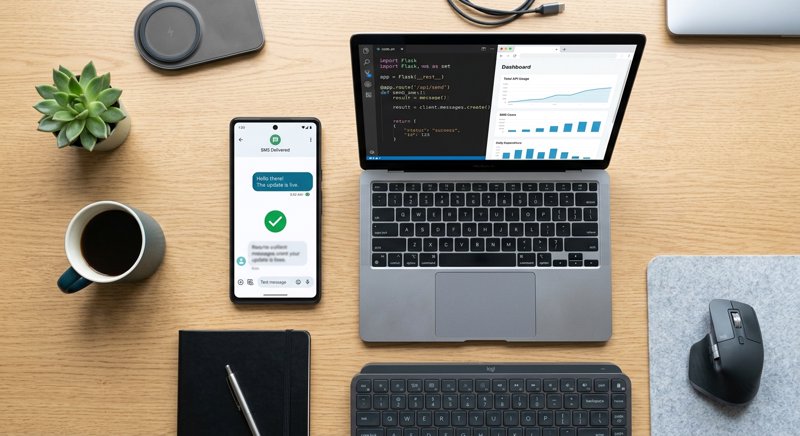
Finding transparent US SMS services pay-per-use API 2026 non-voip pricing has become a major challenge for growing businesses. As traditional cloud communication platforms introduce complex carrier surcharges, mandatory 10DLC registration fees, and strict segment billing, developers and business operators are seeking simpler, more cost-effective alternatives. This guide breaks down the true cost of non-VoIP SMS delivery in 2026 and highlights how you can optimize your messaging budget.
Understanding US SMS Services Pay-Per-Use API 2026 Non-VoIP Pricing
In 2026, the landscape of transactional and operational SMS is highly fragmented. When searching for us sms services pay-per-use api 2026 non-voip pricing, it is crucial to understand what "non-VoIP" actually means for your delivery rates and your bottom line. Traditional API providers like Twilio, Plivo, and Vonage lease virtual phone numbers. These numbers are classified as VoIP (Voice over IP) by major telecommunication networks. Because VoIP numbers are frequently exploited by bad actors for spam, US carriers subject them to rigorous filtering, strict registration pipelines (A2P 10DLC), and high carrier surcharges.
True non-VoIP SMS relies on physical SIM cards issued by mobile network operators. Messages sent via real SIM cards bypass the virtual number filters, resulting in near-perfect delivery rates. However, traditional API providers do not offer direct access to real mobile SIM routing, forcing businesses to pay premium rates for verified shortcodes or toll-free numbers. To understand the actual costs you will face in 2026, we must look at both direct per-message rates and the hidden administrative fees associated with virtual numbers.
The Problem with Virtual VoIP Numbers
Virtual numbers are cheap to lease upfront, but they carry a heavy deliverability tax. Because financial institutions, delivery services, and security systems block VoIP numbers to prevent fraud, your operational alerts or appointment reminders might never reach your customer's inbox. Non-VoIP numbers, which are tied to physical mobile devices, enjoy trusted carrier status, ensuring your critical alerts are delivered instantly without getting trapped in carrier spam filters.
The Shift in 2026 Pay-Per-Use Models
Pay-per-use pricing sounds simple: you only pay for what you send. However, legacy APIs have complicated this model. In 2026, a standard "pay-per-use" fee is rarely just the base rate. Providers now stack carrier fees, network access surcharges, and monthly compliance lease fees on top of your base pay-as-you-go rate, making budget forecasting nearly impossible for small businesses.
Comparing Top US SMS API Providers in 2026
To help you navigate the market, we have compiled a direct cost comparison of the leading US SMS API providers alongside MySMSGate. This table highlights base rates, hidden fees, and whether they offer true non-VoIP routing natively.
| Provider | Base Rate per SMS (US) | 10DLC/Carrier Fees | Segment Billing Limit | True Non-VoIP SIM Routing | Minimum Monthly Commitment |
|---|---|---|---|---|---|
| Twilio | $0.0079 - $0.0085 | Yes (Variable surcharges) | 160 chars (GSM) / 70 chars (Unicode) | No (VoIP Virtual Numbers) | None (but high setup overhead) |
| Plivo | $0.0065 - $0.0075 | Yes (Variable surcharges) | 160 chars (GSM) / 70 chars (Unicode) | No (VoIP Virtual Numbers) | None |
| MessageBird | $0.0080 - $0.0095 | Yes (Variable surcharges) | 160 chars (GSM) / 70 chars (Unicode) | No (VoIP Virtual Numbers) | None |
| MySMSGate | $0.0200 (Flat) | $0.00 (No registration needed) | Unlimited (One charge per message) | Yes (Uses your own Android SIM) | $5.00 (No monthly contracts) |
While legacy providers boast low base rates, their actual cost per message quickly escalates. For a detailed breakdown of how these platforms stack up against modern alternatives, read our in-depth analysis of Twilio alternatives in 2026.
The Hidden Costs of Traditional SMS APIs
When analyzing us sms services pay-per-use api 2026 non-voip pricing, the base rate is often a marketing front. For small to medium businesses sending 100 to 1,000 operational messages per month, the real cost of ownership is driven by three hidden factors:
- 10DLC Brand and Campaign Registration: To send SMS to US numbers via virtual APIs, you must register your brand and your specific campaign. This requires paying a one-time brand registration fee ($4.00 - $10.00) plus ongoing monthly campaign fees ($2.00 - $10.00/month), regardless of whether you send 5 messages or 5,000.
- Character Segment Billing: Traditional APIs bill you per "segment." A standard SMS is 160 characters using GSM-7 encoding. However, if you include a single accented character, an emoji, or a curly quote, the system switches to UCS-2 encoding. This slashes your character limit to 70 characters per segment. A simple 150-character appointment reminder suddenly costs you three times the advertised rate.
- Number Lease Fees: You must rent a virtual number monthly (typically $1.15 to $2.00/month for local numbers, or up to $15.00/month for toll-free numbers) just to keep your API active.
For a local business like a dental clinic, auto repair shop, or tutoring center sending 300 appointment reminders a month, these fixed overheads can easily push the effective rate per SMS past $0.10. To understand how to structure your messaging without these traps, see our guide on the cheapest SMS API for small businesses.
The Non-VoIP Advantage of Android Gateway Routing
MySMSGate takes a fundamentally different approach. Instead of leasing virtual VoIP numbers and routing messages through complex carrier aggregators, MySMSGate turns your own Android phone into an SMS gateway. Because the messages are sent directly from your phone's physical SIM card, they are processed by carriers as genuine, non-VoIP mobile-to-mobile texts. You do not need to register for 10DLC, you do not pay monthly campaign fees, and your customers receive messages from a familiar, local mobile number they can actually call back.
How to Integrate a Pay-Per-Use Non-VoIP SMS API
Integrating MySMSGate into your existing software, CRM, or custom backend is incredibly straightforward. Unlike legacy platforms that require days of verification and complex SDK configurations, you can start triggering messages via our simple REST API in minutes.
Here is a simple example of how to send an SMS using a standard curl request:
curl -X POST https://mysmsgate.net/api/v1/send \
  -H "Authorization: Bearer YOUR_API_KEY" \
  -H "Content-Type: application/json" \
  -d '{
    "to": "+1234567890",
    "message": "Your appointment is confirmed for tomorrow at 10:00 AM. Reply to this message if you need to reschedule."
  }'
For Python developers, triggering an automated notification requires only a few lines of code:
import requests

url = "https://mysmsgate.net/api/v1/send"
headers = {
    "Authorization": "Bearer YOUR_API_KEY",
    "Content-Type": "application/json"
}
data = {
    "to": "+1234567890",
    "message": "Your vehicle repair is complete and ready for pickup at our main branch."
}

response = requests.post(url, json=data, headers=headers)
print(response.json())
Because MySMSGate utilizes your local SIM card, you can easily manage dual-SIM setups or connect multiple Android devices to a single dashboard to scale your operations. Learn more about setting up this architecture in our tutorial on how to understand the difference between SMS gateways and SMS APIs.
Frequently Asked Questions
Explore the answers to the most common questions regarding non-VoIP SMS pricing, API integrations, and carrier compliance in 2026.
Why is non-VoIP SMS pricing different from VoIP SMS pricing?
VoIP SMS pricing is heavily impacted by carrier surcharges and verification overhead (such as 10DLC campaigns) because virtual numbers are prone to spam filtering. Non-VoIP SMS pricing, especially when routed through physical SIM cards via an Android gateway, avoids these extra carrier fees entirely. This allows businesses to pay a flat, predictable rate without monthly maintenance costs.
How does MySMSGate bypass the need for US 10DLC registration?
A2P 10DLC regulations apply specifically to commercial messages sent via virtual, cloud-provisioned numbers. Because MySMSGate routes your API requests directly through your own Android phone and physical SIM card, the carrier processes the message as a standard, person-to-person (P2P) mobile text. This eliminates the need for carrier approval, brand registration, or monthly campaign fees.
Can I receive replies from my customers using a non-VoIP API?
Yes. When you send an SMS via MySMSGate, the recipient sees your actual mobile phone number. If they reply, the incoming SMS is received by your Android phone and automatically forwarded back to your MySMSGate web dashboard in real-time. You can view, manage, and reply to these conversations directly from your computer using our Web Conversations interface.
What happens if a message fails to deliver?
With MySMSGate, you only pay for successful transactions. If an SMS fails to send due to a carrier issue, network disconnection, or invalid number, your account balance is automatically refunded in real-time. Our pay-per-use packages start at just $5.00 for 250 SMS, with no expiration dates or recurring commitments.


Comments (0)
Be the first to comment!