
Imagine a busy veterinary clinic in Geelong on a Tuesday morning. The staff need to notify forty pet owners that a specific batch of preventative medication is ready for collection. Or picture a regional plumbing firm in Bendigo needing to alert a hundred scheduled clients about a sudden scheduling shift due to extreme weather. Historically, setting up a reliable sms broadcast api meant dealing with global telecommunications aggregators, navigating complex developer consoles, and waiting weeks for carrier brand approvals.
For many local Australian businesses, the traditional path to automated messaging is filled with unnecessary friction. From registration delays under local anti-scam regulations to unexpected costs when simple messages exceed standard character limits, the barrier to entry remains high. Fortunately, a practical alternative exists: utilising hardware you already own to transmit operational alerts directly through your local mobile network provider, using the mobile number your clients already recognise.
Why a Local SIM-Based SMS Broadcast API Makes Sense
In Australia, the telecommunications landscape is dominated by three major physical networks: Telstra, Optus, and Vodafone. When you purchase a retail or business mobile plan from these carriers, you are allocated a local mobile number. Your customers, patients, or members are already accustomed to receiving calls and individual texts from this number. It is familiar, local, and highly trusted.
Traditional bulk SMS providers do not use your mobile number. Instead, they lease virtual mobile numbers or short codes, or they require you to register an alphanumeric sender ID. This process has become increasingly complex due to strict regulatory oversight designed to combat fraudulent messaging. By routing your automated alerts through a physical Android handset equipped with your own active SIM card, you bypass these external registration hurdles entirely. The message originates directly from your device, utilising your existing carrier relationship.
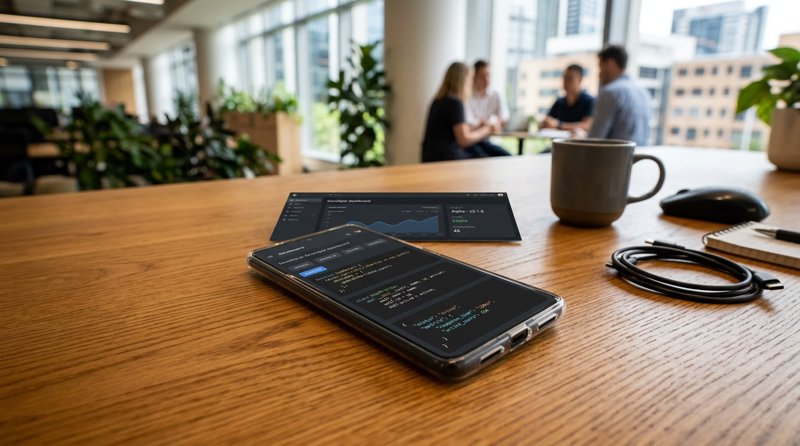
This approach transforms an ordinary Android phone into a dedicated local gateway. By installing a lightweight application on the device and linking it to a cloud-based dashboard, you gain access to a fully functional developer interface. You can send operational alerts, booking confirmations, and reminders using a standard web interface or by making direct programmatic calls to a modern API.
Navigating ACMA Regulations and the Spam Act 2003
Operating any text-based broadcast system in Australia requires strict adherence to regulatory standards. The Australian Communications and Media Authority (ACMA) enforces the Spam Act 2003, which covers all commercial electronic messages. Whether you are sending a reminder for a dental check-up or notifying members of an upcoming club AGM, your messages must comply with three core pillars:
- Consent: You must have explicit or reasonably inferred consent from the recipient to send them messages. For existing clients, operational updates like booking alerts are generally permissible, but building a clean opt-in list is always the safest path.
- Identity: Every message must clearly identify your business or organisation. Because you are sending from your own recognisable mobile number, this identity is reinforced, but you should still include your business name clearly within the message body.
- Unsubscribe: You must provide a clear, functional way for recipients to opt out of future messages. This is typically managed by instructing recipients to reply with a standard keyword, such as 'STOP'.
When using a physical Android gateway, managing these opt-outs is remarkably straightforward. When a recipient replies 'STOP' to your mobile number, the incoming message is received by the handset and instantly forwarded back to your web dashboard or a custom developer webhook. This allows your internal database to automatically flag the contact and prevent future automated dispatches. For a deeper understanding of industry terminology and regulatory compliance, you can explore our SMS glossary.
The Hidden Cost of Message Concatenation
One of the most common surprises for businesses adopting automated text alerts is the concept of message segments. A standard SMS is limited to 160 characters using the GSM-7 alphabet. If your message exceeds this limit, the network splits it into multiple segments, which are then reassembled on the recipient's phone.
With traditional metered providers, every single segment is billed as an independent message. A seemingly simple three-segment reminder sent to five hundred clients can quickly multiply your expected expenses. Furthermore, if your message accidentally includes a non-standard character—such as a curly quote, a smart apostrophe, or certain accented letters—the entire message encoding shifts to Unicode. Under Unicode, the character limit per segment drops from 160 to just 70 characters. A single misplaced punctuation mark can double or triple the cost of an entire broadcast.
By leveraging an unmetered architecture, the financial unpredictability of message segments is eliminated. Whether your operational update fits into a single segment or requires multiple parts to explain complex instructions, the underlying network simply transmits the data over your existing SIM plan. To understand how this structural difference can safeguard your operational budget, read our detailed guide on how a long message is billed as one, rather than per segment.
Technical Implementation: Connecting Your Systems
Integrating an automated messaging system into your existing workflow does not require a team of dedicated software engineers. With a modern REST API, you can trigger individual or bulk dispatches using a single POST request. MySMSGate provides a clean developer interface designed to plug directly into your internal applications, scheduling software, or low-code automation tools.
For developers who have previously configured traditional systems, transitioning is remarkably simple. We offer a Twilio-compatible endpoint, allowing you to redirect your existing codebase by simply modifying your base URL. This means you can keep your existing logic intact while routing messages through your physical Australian handset. To compare the architectural differences between these models, refer to our analysis of MySMSGate vs Twilio.
The primary endpoint is a straightforward JSON payload sent via a POST request. Below is an example of how a developer can trigger a message using a standard curl command:
curl -X POST https://api.mysmsgate.com/v1/send
  -H "Authorization: Bearer YOUR_API_TOKEN"
  -H "Content-Type: application/json"
  -d '{
    "to": "+61491570156",
    "message": "Your vehicle service at Geelong Auto is complete. Please collect your car before 5:30 PM. Reply STOP to opt out."
  }'
This request is processed by our cloud routing service and immediately pushed to your paired Android handset, which dispatches the message via its local SIM card. If you want to integrate this functionality into specific programming environments, we provide comprehensive integration guides covering Python, JavaScript, PHP, Go, Ruby, and popular automation platforms like Zapier, Make, and n8n. Complete technical specifications can be found in our official REST API reference.
Comparing Gateway Architectures
When selecting the foundation for your business communications, it is valuable to compare how a local, hardware-based gateway compares to standard global aggregators. The table below outlines the key operational differences:
| Operational Feature | Traditional Global Aggregators | Local Android SIM Gateway |
|---|---|---|
| Sender Identity | Virtual numbers, short codes, or registered alphanumeric IDs | Your own recognisable, pre-verified local mobile number |
| Setup Time | Days to weeks due to carrier brand verification and regulatory queues | Minutes; simply install an app and pair via a QR code |
| Inbound Routing | Requires complex virtual number configurations and extra fees | Inbound texts arrive naturally on your phone and forward to your webhooks |
| Billing Structure | Metered per-segment costs that fluctuate by country and volume | Unmetered sending volumes tied directly to your local SIM plan |
As illustrated, the local gateway model prioritises speed, simplicity, and cost predictability. For businesses that operate strictly within Australia, avoiding the international routing queues of global aggregators ensures that your messages are processed directly by local carriers like Telstra or Optus. To see a broader breakdown of how these models compare across various operational scenarios, visit our comprehensive comparison page.
How to Get Started with Your Local Gateway
Transitioning to a local SIM-based gateway is a straightforward process that can be completed in an afternoon. Here is a practical roadmap to get your system up and running:
- Acquire Your Hardware: Secure a reliable, dedicated Android handset. It does not need to be a premium model; a basic, budget-friendly device running a modern version of Android is perfectly sufficient.
- Select Your SIM Plan: Insert an active Australian SIM card from Telstra, Optus, or Vodafone. Ensure the plan features appropriate text limits to match your expected operational broadcast volumes.
- Install the Gateway App: Download and install our lightweight gateway application onto the handset. Navigate to your web dashboard and scan the provided QR code to securely pair the device with your account.
- Configure Your Integrations: Use our API keys to connect the gateway to your booking system, CRM, or custom scripts. Set up webhooks if you wish to capture and respond to inbound replies from your customers.
- Test and Launch: Send a few test messages to your own mobile device to verify that the routing, formatting, and opt-out mechanisms function correctly. Once verified, you are ready to begin your first broadcast.
By taking control of your own messaging infrastructure, you eliminate the complexity of global carrier negotiations and protect your business from unpredictable billing spikes. To learn more about how this model keeps your operational costs predictable, read our detailed analysis on why our pricing structure does not change with the destination country. When you are ready to build a simpler, more reliable connection with your Australian clients, you can instantly create an account and configure your first local gateway.


Comments (0)
Be the first to comment!